

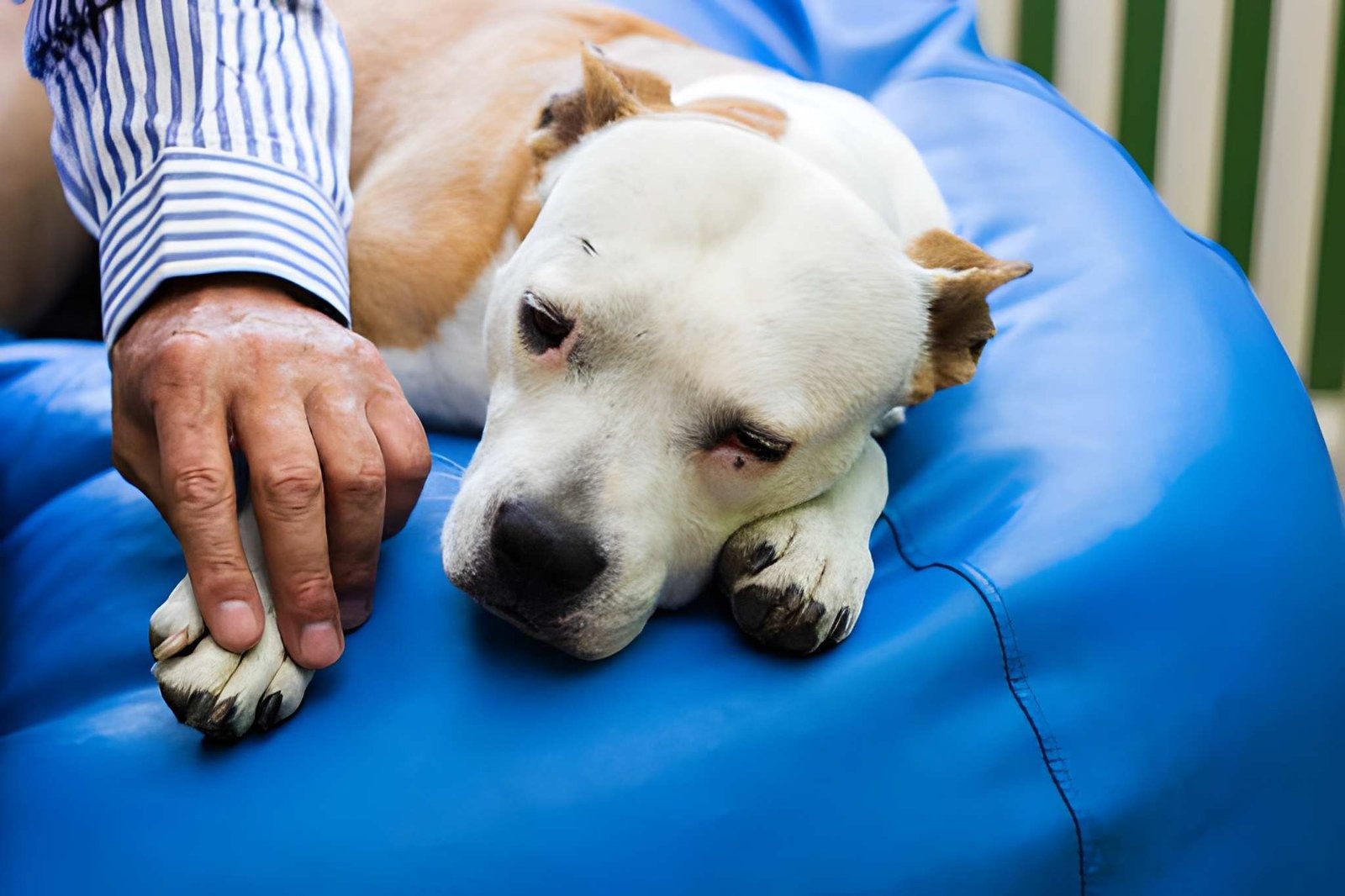
As pets grow older, changes in movement, energy, and daily habits are often a natural part of aging. A senior dog who walks more slowly or a cat who no longer jumps as easily may simply be experiencing age-related changes that can often be managed with proper care.
However, mobility changes can sometimes occur alongside more serious health concerns. Understanding the difference between normal aging challenges and signs that your pet may need end-of-life care can help you make thoughtful decisions focused on comfort and quality of life.
Many senior pets continue enjoying happy and meaningful years with support from their veterinary team. Treatments such as pain management, weight control, rehabilitation, environmental adjustments, and routine wellness exams can help older pets remain active and comfortable.
At the same time, knowing when your pet’s needs have changed is an important part of responsible and compassionate care.
Understanding Senior Pet Mobility Changes
Senior pets experience physical changes as they age. Their muscles may become weaker, joints may become less flexible, and recovery after activity may take longer.
Common signs of reduced mobility in older pets include:
- Walking more slowly
- Difficulty climbing stairs
- Hesitating before jumping
- Stiffness after resting
- Trouble getting up from the floor
- Reduced interest in physical activities
These changes do not automatically mean a pet is nearing the end of life. Many Senior pet mobility issues are caused by conditions that can be treated or managed.
For example, arthritis is one of the most common causes of mobility problems in senior pets. Joint inflammation and discomfort may make movement more difficult, but veterinary care can often help reduce pain and improve daily comfort.
Other factors that may affect mobility include muscle loss, injuries, neurological conditions, and excess weight. Identifying the underlying cause is the first step toward creating an effective care plan.
Common Causes of Mobility Issues in Older Pets
Arthritis and Joint Changes
Arthritis develops when the protective cartilage inside joints gradually breaks down. This can lead to inflammation, stiffness, and discomfort.
Pets with arthritis may avoid stairs, sleep more often, or appear less interested in activities they previously enjoyed. Veterinary treatment, including medication, exercise adjustments, and supportive therapies, can help many pets maintain a better quality of life.
Loss of Muscle Strength
Aging naturally causes changes in muscle mass. Reduced strength can affect balance and make everyday movements more challenging.
Gentle exercise, proper nutrition, and veterinarian-approved activity plans can help support muscle health in senior pets.
Neurological Conditions
Some older pets develop neurological issues that affect coordination and movement. Signs may include stumbling, weakness, difficulty standing, or unusual changes in behavior.
Sudden mobility changes should always be evaluated by a veterinarian to determine the cause and appropriate treatment.
Weight-Related Challenges
Extra weight places additional pressure on joints and muscles. Maintaining a healthy body condition can reduce strain and support better movement.
Your veterinarian can recommend nutrition plans and lifestyle changes designed specifically for your senior pet’s needs.
When Mobility Changes May Require More Support
While mobility problems are common in aging pets, certain signs may indicate that your pet needs a more detailed quality-of-life evaluation.
Speak with your veterinarian if your pet experiences:
- Ongoing pain that is difficult to control
- Major difficulty standing or walking
- Significant changes in appetite
- Loss of interest in family interaction
- Frequent accidents
- Breathing difficulties
- Confusion or unusual behavior
- No longer enjoying favorite activities
These signs do not always mean your pet is approaching the end of life, but they may indicate that their care needs have changed.
Your veterinarian can help evaluate your pet’s comfort, medical condition, and overall well-being.
What Is End-of-Life Care for Pets?
End-of-life care focuses on maintaining comfort and supporting quality of life when a pet has a serious illness, advanced condition, or significant decline in health.
The goal is not only to manage medical symptoms but also to help pets experience as much comfort and peace as possible.
End-of-life care may include:
- Pain management
- Medication adjustments
- Nutrition support
- Mobility assistance
- Comfort monitoring
- Quality-of-life discussions
Choosing end-of-life care does not mean a family has stopped caring or that difficult decisions must happen immediately. Instead, it provides guidance and support during a stage when a pet’s needs may become more complex.
Many families find comfort in having a clear care plan that helps them focus on their pet’s comfort and spend meaningful time together.
In-Home End-of-Life Care and Comfort
For some senior pets, receiving care at home can provide a calmer and less stressful experience.
In-home end-of-life care allows pets to remain in a familiar environment while receiving professional guidance. This can be especially helpful for pets who experience anxiety during travel or have difficulty moving comfortably.
Veterinary home visits may include:
- Assessing comfort levels
- Adjusting medications
- Answering caregiver questions
- Discussing changes in condition
- Helping families prepare for future decisions
A familiar home environment can allow pets to feel secure while surrounded by the people, smells, and routines they know best.
If your senior pet is showing changes in mobility, schedule a veterinary consultation to understand what is happening and explore options that can improve comfort and quality of life.
Supporting Senior Pet Mobility at Home
Even when a pet is experiencing age-related mobility changes, small adjustments at home can make daily life easier and more comfortable.
Simple changes can help senior pets move safely and maintain independence. Consider:
- Adding non-slip rugs to slippery floors
- Providing orthopedic bedding for joint support
- Using ramps or pet steps where appropriate
- Keeping food and water easily accessible
- Creating a comfortable resting area away from drafts
- Maintaining a consistent daily routine
Exercise is also important for many senior pets. While older animals may not be able to participate in the same activities they enjoyed when they were younger, gentle movement can help maintain flexibility and muscle strength.
Short walks, light play sessions, and veterinarian-approved exercises can support mobility without placing unnecessary strain on aging joints.
Always pay attention to your pet’s comfort level. If an activity causes pain, exhaustion, or stress, it may need to be adjusted.
The Importance of Regular Veterinary Care for Senior Pets
Routine veterinary visits become increasingly important as pets enter their senior years. Older pets are more likely to develop conditions that may not be obvious at first.
Senior wellness exams allow veterinarians to evaluate important areas such as:
- Joint health
- Muscle condition
- Weight management
- Organ function
- Mobility changes
- Pain levels
Early detection can make a significant difference. Many conditions affecting senior pets can be managed more effectively when identified before they become severe.
Regular communication with your veterinarian also helps you understand how your pet’s needs are changing. This allows you to make decisions based on your pet’s comfort, health, and quality of life.
Understanding Mobile Euthanasia as a Compassionate Option
When a pet’s quality of life declines and medical treatment can no longer provide enough comfort, some families consider mobile euthanasia as a peaceful option.
Mobile euthanasia allows a veterinarian to provide end-of-life support in the comfort of the pet’s home. For many families, this creates a calmer experience by avoiding the stress of traveling to a clinic.
At home, pets can remain in a familiar environment surrounded by their favorite people, blankets, and comforting belongings.
The veterinarian will explain the process, answer questions, and ensure that your pet’s comfort remains the priority throughout the visit.
While making this decision is incredibly emotional, many families find comfort in knowing they were able to provide their companion with a gentle and dignified farewell.
How Do You Know When It Is Time?
One of the most difficult decisions pet owners face is knowing when their companion’s quality of life has significantly declined.
There is rarely one single sign that provides the answer. Instead, veterinarians consider multiple factors, including:
- Is your pet eating and drinking comfortably?
- Can your pet rest without significant pain?
- Can your pet move around safely?
- Does your pet still enjoy family interaction?
- Are favorite activities still enjoyable?
- Are medical concerns affecting daily happiness?
A senior pet with mobility challenges may still have many comfortable and enjoyable days ahead with proper support.
However, if your pet experiences constant pain, cannot stand without assistance, refuses food, struggles to breathe, or no longer enjoys life despite treatment, it may be time to discuss compassionate options such as mobile pet euthanasia.
Remember that choosing euthanasia is not about giving up. It is about preventing unnecessary suffering and giving your beloved companion a peaceful, dignified goodbye.
Supporting Your Family Through End-of-Life Decisions
Caring for an aging pet can be emotionally challenging for the entire family. Every person may process the experience differently, and it is important to allow space for those emotions.
Families can create meaningful memories by:
- Spending extra quality time together
- Taking photographs
- Creating paw prints or keepsakes
- Sharing favorite memories
- Including family members in appropriate ways
Children may also need gentle explanations about changes happening with an aging pet. Helping them understand that comfort and kindness are the focus can make the experience easier to process.
Your veterinary team can also provide guidance about what to expect during changes in your pet’s condition and how to prepare for future decisions.
Final Thoughts
Understanding the difference between Senior pet mobility changes and end-of-life concerns helps pet owners provide the best possible care throughout every stage of aging.
Slower movement, stiffness, and reduced activity are common in older pets, but these signs do not always mean a pet’s life is coming to an end. With proper veterinary support, many senior dogs and cats continue to enjoy comfortable and meaningful lives.
At the same time, recognizing when your pet needs additional support is an important part of compassionate ownership. End-of-life care, in-home support, and mobile euthanasia services can provide comfort and guidance when your pet’s needs become more complex.
Every pet’s journey is different. The best decisions come from understanding your companion’s health, recognizing changes early, and working with your veterinarian to protect their comfort and happiness.
Have you noticed changes in your senior pet’s mobility, behavior, or comfort level? Contact our veterinary team today to discuss your concerns and create a personalized care plan for your aging companion.
FAQs
What causes mobility problems in senior pets?
Mobility issues in older pets may be caused by arthritis, muscle loss, neurological conditions, injuries, or weight-related stress. A veterinarian can identify the underlying cause and recommend appropriate treatment options.
What is end-of-life care for pets?
End-of-life care focuses on maintaining comfort and quality of life when a pet has an advanced illness or significant health decline. It may include pain management, symptom support, mobility assistance, and guidance for families.
What are the benefits of in-home end-of-life care?
In-home end-of-life care allows pets to receive support in a familiar environment. It can reduce stress, provide comfort, and help families make informed decisions while keeping their pet’s well-being the priority.
When should I consider mobile euthanasia?
Mobile euthanasia may be considered when a pet experiences ongoing suffering, severe discomfort, or a significant decline in quality of life. Your veterinarian can help determine whether it is the right choice based on your pet’s condition.
Can senior pet mobility improve?
Yes. Many senior pets benefit from treatments such as pain management, weight control, physical rehabilitation, environmental changes, and regular veterinary care. Early support can help improve comfort and maintain mobility.