

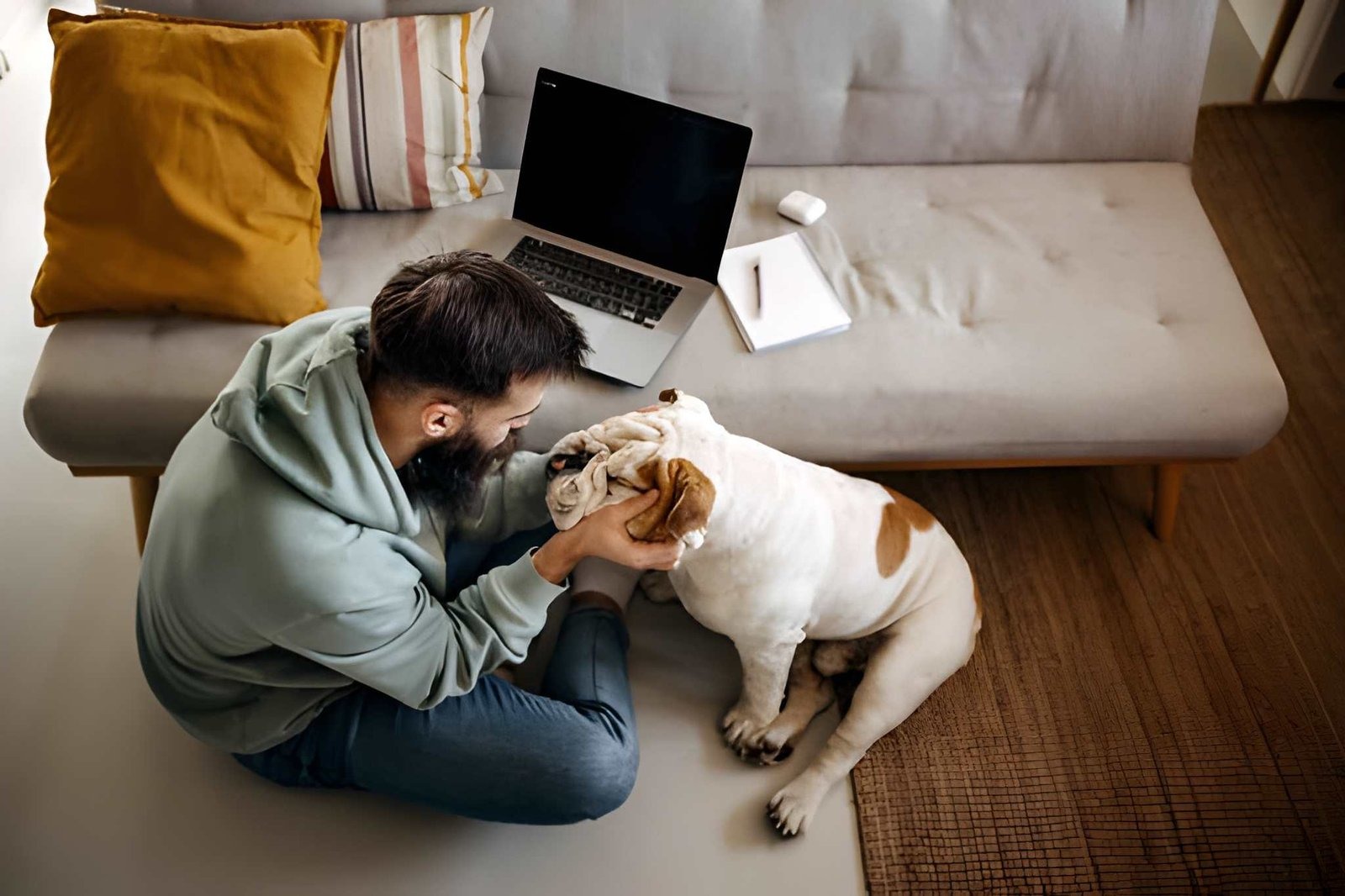
The signs of pain in senior dogs are not always obvious. Your older dog may take longer to stand up, hesitate before climbing stairs, sleep differently, eat less, or lose interest in activities they once enjoyed. Some dogs also become restless, withdraw from family members, or react differently when touched. These changes can indicate pain or another medical problem, even when a dog is not crying or limping.
Senior dog pain management starts with recognising changes in your dog’s normal behaviour, seeking veterinary assessment, and making appropriate adjustments to daily care. Although aging can bring changes in strength, flexibility, and energy, persistent discomfort should not automatically be dismissed as a normal part of getting older.
If your dog has become less active or seems uncomfortable, careful observation can help you understand what has changed. A veterinarian can investigate possible causes, discuss treatment options, and help you create a plan to support your dog’s comfort and mobility.
For families in Mooresville, North Carolina, understanding the signs of pain in senior dogs is also an important first step toward finding appropriate veterinary support as their pets’ needs change.
Dogs cannot tell us where they hurt, how severe the discomfort feels, or which movements make it worse. Some continue eating, greeting family members, and following familiar routines even when they are uncomfortable. Others show only subtle changes that develop over several weeks or months.
For example, your dog may stop jumping onto the sofa but continue walking around the house. You might assume they are becoming less active with age, when the change could actually reflect joint pain, weakness, or another medical condition.
Several factors can make pain difficult to recognise:
Recognising these changes does not mean you need to diagnose the problem yourself. Your role is to notice what is different and share those observations with your veterinarian.
Pain can affect movement, appetite, sleep, behaviour, and everyday activities. The following signs do not confirm that your dog is experiencing pain, but new, persistent, or worsening changes should be discussed with a veterinary professional.
One of the common signs of discomfort is difficulty rising after resting. Your dog may push up slowly, pause before standing, stretch repeatedly, or need several attempts to get comfortable.
You might also notice stiffness after a nap or difficulty turning around while lying down. Some dogs appear more comfortable after gentle movement, while others become increasingly uncomfortable as they remain active.
These changes can occur with joint disease, muscle problems, spinal conditions, and other health concerns. Note whether the stiffness occurs at particular times, such as first thing in the morning or after a walk.
Do not force your dog to exercise through discomfort. A veterinary assessment can help determine whether pain, weakness, or another condition is contributing to the change.
A dog who previously climbed stairs confidently may begin hesitating, stopping at the bottom, or avoiding them altogether. They might also stop jumping onto furniture or struggle to get into a vehicle.
These behaviours may reflect pain, reduced strength, impaired balance, or difficulty coordinating movement.
Make these activities safer while you arrange an assessment. Consider preventing unnecessary jumping, using barriers to restrict access to stairs, or asking your veterinarian about suitable ramps and mobility aids.
Avoid repeatedly encouraging your dog to attempt a movement they are reluctant or unable to perform comfortably.
Your dog may walk more slowly, take shorter routes, lag behind on familiar walks, or stop more frequently to rest. Some dogs develop a limp, while others simply become less willing to move.
Reduced activity may be associated with joint pain, fatigue, heart or respiratory conditions, neurological problems, or other illnesses.
Record how far your dog comfortably walks, whether they struggle on particular surfaces, and how quickly they recover afterward. These observations can help your veterinarian determine whether the activity plan needs to change.
An uncomfortable dog may wake repeatedly, change positions frequently, pace at night, or struggle to settle. Other dogs sleep longer during the day because moving around has become tiring or uncomfortable.
Sleep changes can also occur with anxiety, cognitive changes, medication effects, and other medical conditions.
Notice whether your dog can lie down comfortably and remain settled. If they repeatedly get up, pant, or move between resting places, record when this happens and whether anything appears to help.
Persistent nighttime restlessness should not automatically be attributed to old age.
Pain may make eating uncomfortable, particularly when dental disease or other problems affecting the mouth are involved. Your dog may chew slowly, drop food, favour one side of the mouth, avoid harder food, or leave meals unfinished.
Reduced appetite can also result from nausea, medication effects, digestive problems, kidney disease, and other illnesses.
Record changes in the amount your dog eats, how long meals take, and whether they show interest in food but seem unable to eat comfortably.
Contact your veterinarian if your dog develops a significant or persistent appetite change. Seek prompt advice if they stop eating, become weak, have difficulty swallowing, or show other concerning symptoms.
Panting without an obvious reason, trembling, whimpering, crying, or repeatedly changing position can be signs of discomfort.
Some dogs become unusually sensitive when touched, while others growl or move away when someone approaches a sore area. These reactions should not automatically be treated as behavioural problems.
However, panting and trembling can have other causes, including heat, fear, respiratory disease, and other medical conditions.
If your dog is panting at rest in a comfortable environment or showing new, persistent signs of distress, seek veterinary advice. Difficulty breathing, especially when accompanied by obvious effort or distress, requires emergency veterinary care.
A dog who once greeted visitors, followed family members, or enjoyed playing may begin spending more time alone. They may stop requesting walks, become less interested in toys, or react irritably when handled.
Withdrawal can be associated with pain, fatigue, anxiety, sensory changes, or illness. Consider whether your dog still enjoys quieter activities, such as sitting beside you, sniffing outdoors, or receiving gentle attention.
Changes in personality are useful clinical observations. Record when they began and whether they occur in particular situations.
A hunched posture, repeated licking of one area, reluctance to bend, or difficulty squatting can indicate discomfort or another medical problem.
You might also notice that your dog has difficulty getting outside in time, struggles to maintain their usual hygiene, or avoids a particular position.
These changes can have several causes, including pain, weakness, urinary problems, and neurological conditions. Share the details with your veterinarian rather than assuming the changes are inevitable with ageing.
Your dog may no longer greet you at the door, ask to go outside, play with a favourite toy, or seek out familiar people as often as before.
A reduction in engagement can reflect pain or fatigue, but it may also be associated with other health conditions. What matters is whether your dog’s behaviour has changed from their individual baseline.
Not every older dog will continue enjoying the same activities. Some may prefer shorter walks, gentle sniffing, quiet companionship, or more frequent rest. The aim is to understand what your dog can comfortably enjoy now.
You do not need to diagnose your dog’s condition to provide useful information. A simple record of daily changes can help your veterinarian understand what happens outside the clinic.
Consider how your dog usually eats, sleeps, walks, plays, and interacts with family members.
Write down a few activities that are important to them, such as eating breakfast comfortably, walking around the garden, greeting you, or resting beside you.
This provides a useful baseline for recognising changes.
Note the behaviour, when it happened, how long it lasted, and whether it appeared to affect your dog’s comfort.
For example, instead of writing “my dog is slowing down,” record: “My dog took three attempts to stand after a nap and avoided the stairs this morning.”
Specific observations are more useful than general descriptions.
Some symptoms occur occasionally, while others become more frequent or severe. Record whether your dog seems comfortable after resting, struggles after activity, or shows changes at particular times of day.
Do not wait several days if your dog develops severe pain, breathing difficulties, collapse, or another urgent symptom.
Short videos of your dog walking naturally, standing up, or settling into bed may help your veterinarian assess changes in movement.
Do not make your dog climb stairs, jump, or repeat a painful activity to obtain a recording.
Share your notes, videos, current medication list, supplements, and any changes in appetite or sleep.
Your veterinarian can use this information alongside a physical examination and any appropriate diagnostic tests to determine the next steps.
Use the following checklist to record what you observe each day. It is an observation aid, not a diagnostic test or a measure of pain severity.
For any item that raises concern, note when the change began, how often it occurs, and whether it appears to be improving or worsening.
A single concerning symptom can justify veterinary attention. A reassuring checklist does not rule out illness, and you should not use the number of checked items to diagnose your dog.
Environmental changes can help older dogs move around more safely and rest more comfortably. These adjustments complement veterinary care; they do not replace assessment or treatment of the underlying cause of pain.
Choose a padded bed that is easy for your dog to enter and leave. Place it in a quiet, familiar location where your dog can rest without climbing onto furniture.
Keep bedding dry and ensure there is enough space for your dog to change position comfortably.
Hard floors can make standing and walking difficult for dogs with reduced strength or mobility. Place non-slip rugs or mats along frequently used routes, particularly near beds, food bowls, and doors.
Keep walkways clear and ensure mats do not slide underfoot.
Position bowls where your dog can access them without navigating stairs or walking unnecessary distances.
The appropriate bowl height and feeding arrangements depend on your dog’s condition. Ask your veterinarian before making substantial changes, especially if your dog has swallowing difficulties or a medical condition requiring a specific feeding plan.
Consider ramps, pet steps, or barriers that prevent risky movements. Choose equipment suited to your dog’s size, strength, balance, and mobility.
If your dog needs assistance standing, ask your veterinarian to demonstrate how to use a mobility harness or sling safely.
Some older dogs benefit from regular, controlled activity, but the right amount depends on their condition.
Shorter walks, more frequent opportunities to go outside, and gentle sniffing activities may be more manageable than a long outing. Avoid sudden increases in exercise and ask your veterinarian whether rehabilitation or individualised exercises would be appropriate.
Familiar feeding times, comfortable resting areas, and easy access to toileting can reduce unnecessary stress.
Let your dog choose whether to interact, and provide affection in ways they find comfortable. Avoid forcing handling or movement if it appears to cause distress.
Pain management for older dogs should be tailored to the individual animal. Your veterinarian will consider the suspected cause of discomfort, your dog’s general health, other medications, daily activities, and response to previous treatment.
Depending on the assessment, a care plan may include several approaches.
A veterinarian may recommend medication based on the type of pain and your dog’s medical history. Some medicines require blood tests or other monitoring, particularly when used over time.
Follow the prescribed instructions and report side effects or changes in behaviour promptly.
Some dogs may benefit from rehabilitation, individualised exercises, or mobility aids. These should be selected according to the dog’s condition and ability rather than applied as a universal solution.
Where appropriate, maintaining a healthy body condition and adapting exercise may help reduce unnecessary strain and support mobility.
Your veterinarian can advise whether dietary changes or activity modifications are suitable for your dog.
Supportive bedding, non-slip flooring, accessible bowls, and safe movement around the home can complement medical treatment.
Pain and mobility can change over time. Regular reassessment allows your veterinarian to evaluate how well the plan is working and whether adjustments are needed.
An effective senior dog pain management plan may combine several approaches. Not every treatment is suitable for every dog, and improvement should be monitored rather than assumed.
Never give your dog ibuprofen, naproxen, acetaminophen (paracetamol), aspirin, or another human pain medicine unless a veterinarian has specifically instructed you to do so.
Some human medicines can cause serious harm to dogs, including gastrointestinal, kidney, or liver problems. Even a medicine that may be used in certain veterinary circumstances can be inappropriate for an individual dog.
Do not increase a prescribed dose, combine medications, stop ongoing treatment, or add supplements without veterinary advice.
If your dog accidentally swallows a human painkiller or receives the wrong medication dose, contact a veterinarian or emergency veterinary service immediately. Do not wait for symptoms to appear.
Arrange an appointment if your dog develops persistent stiffness, limping, reluctance to move, appetite changes, disrupted sleep, unusual vocalisation, withdrawal, or other changes that affect daily life.
Seek prompt veterinary advice if symptoms are worsening, your dog seems significantly uncomfortable, or they are eating or drinking substantially less than usual.
Seek emergency care for:
Do not wait to complete a checklist or for a routine appointment if your dog appears seriously unwell.
Shay Shay Veterinary’s website indicates that routine wellness examinations, radiology, laboratory diagnostics, surgery, and after-hours emergency or critical care are not provided by the practice. If your dog needs emergency assessment, contact an appropriate emergency veterinary facility rather than waiting for a scheduled consultation.
Pain can affect more than movement. It may influence appetite, sleep, hygiene, social interaction, and a dog’s ability to enjoy familiar activities.
Assessing dog quality of life means considering these areas together. Ask whether your dog can rest comfortably, meet essential needs, and still enjoy some of the experiences that matter to them.
A dog with limited mobility may still have a good quality of life when discomfort is adequately managed and their needs are supported. Conversely, a dog who continues eating may still be experiencing significant pain or distress.
Keep a record of good days and difficult days, and discuss the overall pattern with your veterinarian. A checklist can support this discussion, but it cannot independently determine whether a dog’s quality of life is acceptable.
For many older dogs, treatment and home adjustments can improve comfort. For others with progressive or life-limiting illnesses, pain and other symptoms may become more difficult to manage.
In these circumstances, dog end-of-life care may involve palliative care, symptom management, regular reassessment, and discussions about what can realistically be achieved through continued treatment.
Ask your veterinarian whether your dog’s discomfort can be adequately relieved, what additional options may be available, and which changes would indicate that the current plan is no longer meeting their needs.
If suffering cannot be adequately relieved, a veterinarian may also discuss home dog euthanasia as one possible option. This is an individual decision that considers the dog’s overall condition, prognosis, response to treatment, and welfare.
Pain alone does not automatically mean euthanasia is necessary. Some causes of discomfort can be treated or managed, and a quality-of-life checklist should never be used as the sole basis for such a decision.
Starting a conversation about ongoing care does not commit you to euthanasia. It allows you to understand the available options and plan for your dog’s comfort with veterinary guidance.
If your older dog is struggling with mobility or showing possible signs of persistent discomfort, Shay Shay Veterinary offers a dedicated Senior Pet Pain Management and Mobility Consultation for families in the Mooresville area.
The practice describes an individualised approach that may include acupuncture, traditional Chinese veterinary medicine, home strengthening plans, and mobility support, depending on the pet’s needs.
If you are concerned about your dog’s movement or comfort, you can explore the service to learn more about the available consultation options. Your veterinarian can help determine which approaches are appropriate for your individual dog.
For broader concerns about ongoing comfort and care decisions, Shay Shay Veterinary also offers a separate Quality of Life Assessment.
These services provide a way to discuss your dog’s needs without assuming that euthanasia is the only option.
Contact us for more.
If you are looking for senior dog pain management in Mooresville, NC, explore Shay Shay Veterinary’s senior pet pain management and mobility service. A consultation can help you discuss your dog’s needs and consider an appropriate plan for comfort, mobility, and everyday life.
Look for stiffness, limping, reluctance to climb stairs, disturbed sleep, appetite changes, panting at rest, unusual vocalisation, or withdrawal. These signs can have several causes, so a veterinarian should assess new or persistent changes.
Dogs may continue familiar routines despite discomfort, and their signs can be subtle. Changes in movement, posture, sleep, and social behaviour may be more noticeable than crying. A lack of obvious signs does not rule out pain.
Provide supportive bedding, non-slip surfaces, accessible food and water, and safe mobility support where appropriate. Ask your veterinarian which environmental changes, exercises, and treatments suit your dog.
Arrange an appointment for new or persistent stiffness, limping, appetite changes, or restlessness. Severe pain, breathing difficulties, collapse, or other acute distress require emergency veterinary assessment.
The appropriate medicine depends on your dog’s condition, health history, and other medications. Only use pain medicines under veterinary direction, and never give human painkillers without specific veterinary advice.
It can help some dogs feel more comfortable and maintain daily activities. Treatment may combine medication, rehabilitation, and home adjustments, with regular reassessment to monitor progress.